
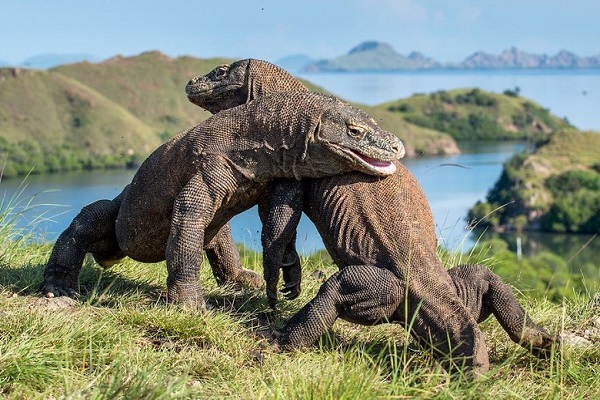
Komodo is one of the most iconic animals in the world and a pride of Indonesia. This large reptile is the largest species of lizard in the world, found only on Komodo Island, Rinca, Gili Motang, and Gili Dasami, located in the East Nusa Tenggara province. As an ancient creature that has survived into the modern age, the Komodo dragon has unique appeal in terms of biology, history, and its ecosystem.
Komodo first became known to the international world in 1910 when a Dutch colonial officer, Lieutenant Steyn van Hensbroek, heard local stories about “land crocodiles” living on Komodo Island. Early research was conducted by Pieter Antonie Ouwens in 1912, who then published the first scientific description of the Komodo dragon and gave it the species name Varanus komodoensis.
Komodo Island and its natural habitat were officially recognized as a protected area in 1980 with the establishment of Komodo National Park. In 1991, UNESCO designated the national park as a World Heritage Site due to its unique ecosystem.
Fascinating Facts About Komodo
Size and Physical Strength
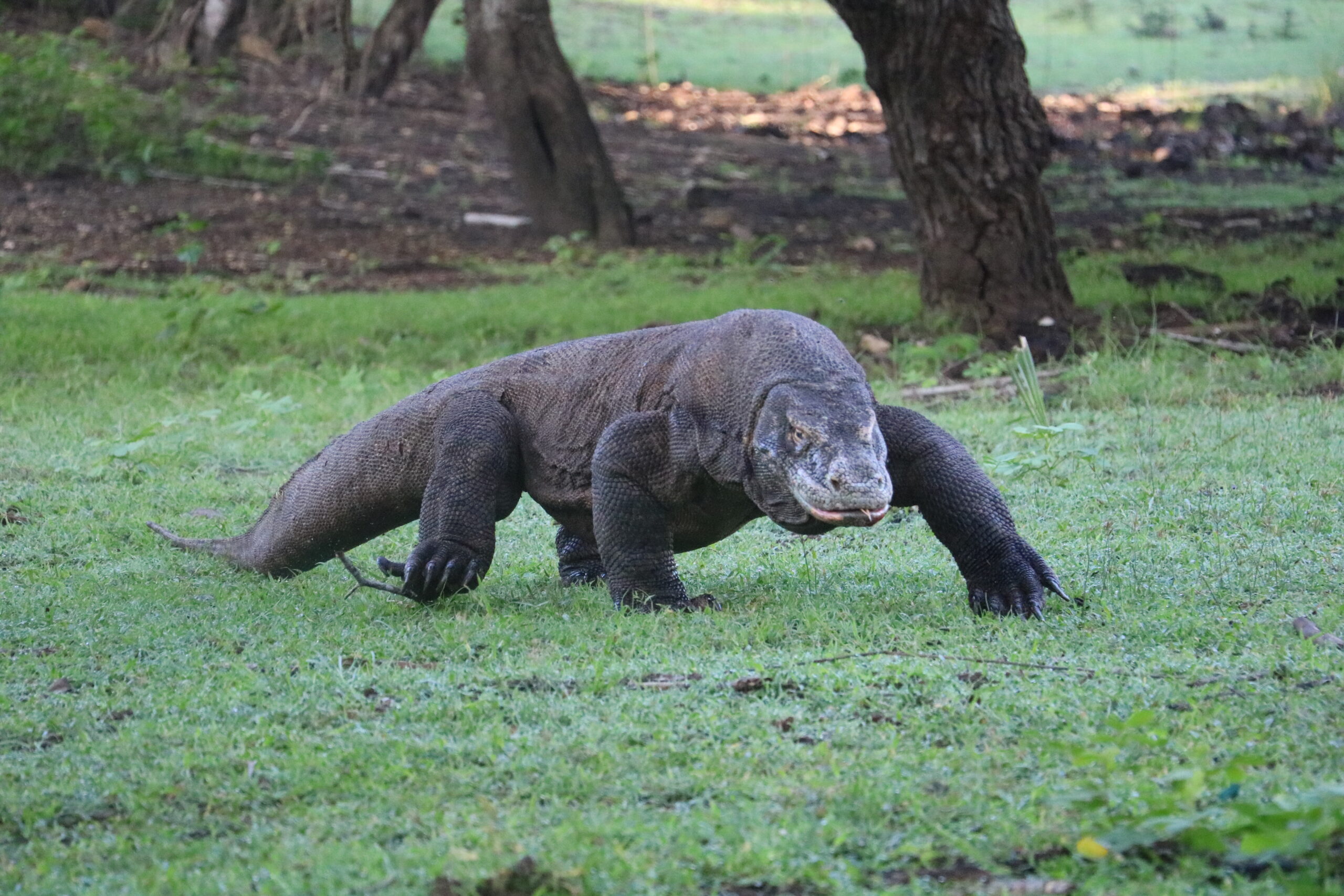
Komodo dragons can grow up to 3 meters in length and weigh over 70 kilograms. These reptiles have powerful bodies, sharp claws, and extremely strong tails, which can be used for both attack and defense.
- Hunting Ability
Komodo dragons are apex predators in their ecosystem. They hunt prey such as deer, wild boars, buffaloes, and even smaller animals. Komodo saliva contains harmful bacteria and toxic proteins that can paralyze their prey. After biting, they will follow their prey until it dies and then consume the carcass. - Unique Adaptations
Komodo dragons have extraordinary survival abilities. They can survive without eating for weeks due to their slow metabolism and energy-storing capabilities. Additionally, they are excellent swimmers, capable of crossing small islands around their habitat. - A Rare Ancient Creature
Komodo dragons are considered one of the ancient species that still exist today, with an evolutionary history estimated to date back millions of years. - Unique Reproductive Ability
Komodo dragons can reproduce both sexually and asexually (parthenogenesis). Under certain conditions, female Komodo dragons can produce offspring without the need for a male, making them one of the animals with the most unique reproductive strategies. - Symbol of Indonesian Tourism
Komodo Island has become a favorite tourist destination for travelers from around the world. Visitors can observe Komodo dragons directly in their natural habitat, making for a rare and impressive experience.
Conservation Efforts for Komodo
The current Komodo population is estimated at around 3,000–3,400 individuals, with a conservation status of “Vulnerable” according to the IUCN. Major threats to their survival include climate change, habitat loss, and uncontrolled human activities.
The Indonesian government, together with international organizations, continues to work on conserving Komodo dragons through various conservation programs, such as managing Komodo National Park, educating the public, and limiting the number of visitors to conservation areas.
Interested in visiting Komodo Island? Book our tour packages here