
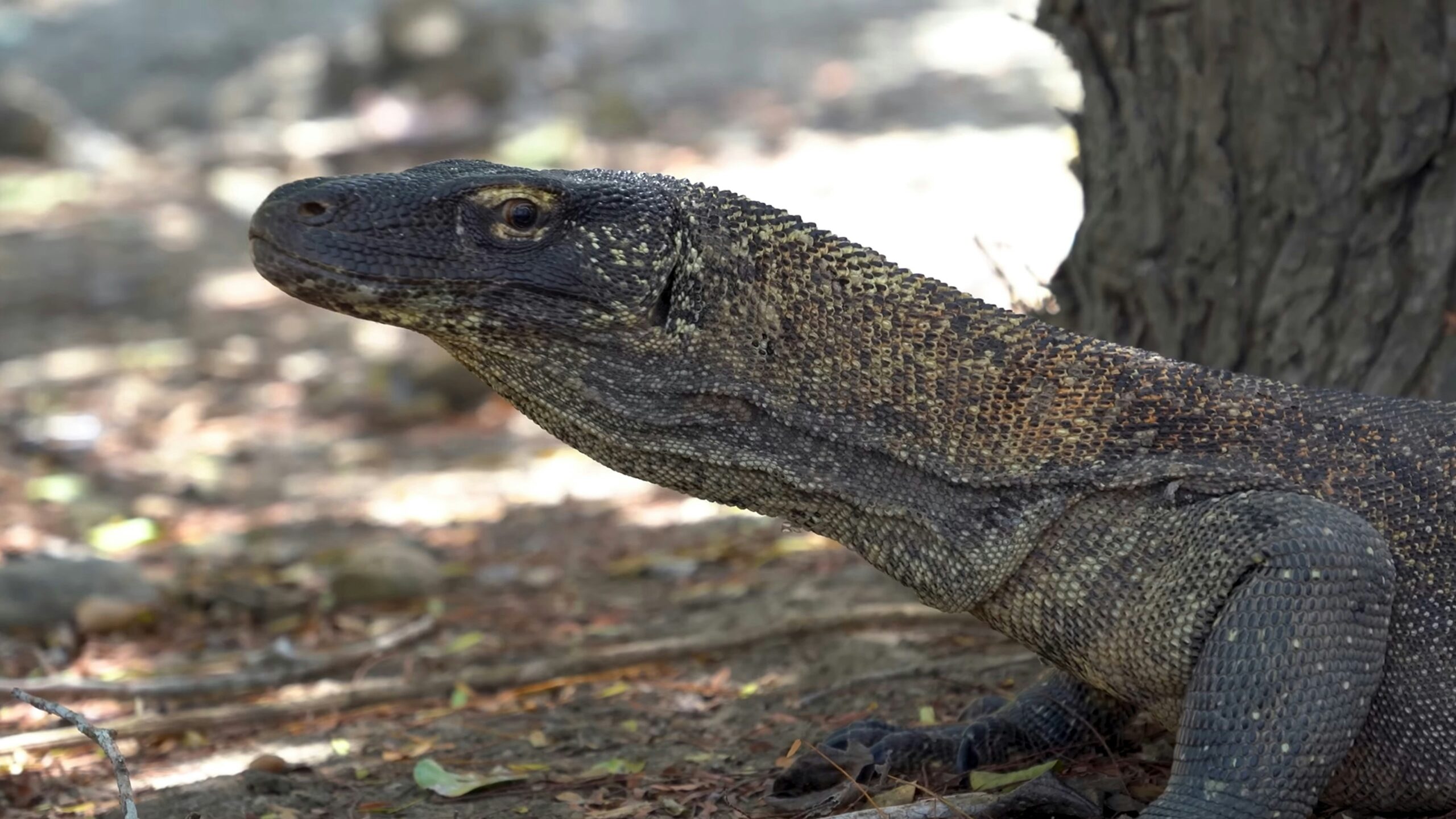
The Komodo dragon (Varanus komodoensis), a giant reptile found only in Indonesia, is a prehistoric predator that captivates the world. While it serves as a major tourist attraction, the Komodo dragon is not a tame animal. It possesses extraordinary hunting abilities and can be extremely dangerous.
Komodo dragons have venom glands located in their jaws. Research reveals that these glands produce toxic compounds that include:
- Hypotensive toxins, which drastically lower blood pressure.
- Anticoagulant proteins, which disrupt blood clotting.
- Proteins that cause mild paralysis or induce shock in victims.
The venom from the Komodo’s venom glands is highly effective in weakening prey, making it easier to subdue. Additionally, the saliva of Komodo dragons contains many pathogenic bacteria, but the venom from the glands is the primary factor causing lethal effects.
Komodo dragons exhibit aggressive tendencies, particularly when threatened or hungry. Known for their patient and effective hunting skills, they can attack suddenly with a powerful bite and sharp claws. Their keen sense of smell allows them to detect the scent of blood or meat from a distance of up to 5–10 kilometers.
When they detect prey, Komodo dragons can attack with high speed. Their territorial behavior also makes them prone to aggression if humans or other animals come too close to their area.
To minimize the risk of attacks, visitors to Komodo habitats are advised to:
- Follow Ranger Instructions: Always stay with a ranger who understands Komodo behavior and plays a key role in ensuring safety.
- Maintain a Safe Distance: Komodo dragons can move quickly, so it’s important to stay at least 5–10 meters away.
- Avoid Strong Scents: Since Komodo dragons are attracted to the smell of blood, visitors should refrain from coming if they have open wounds or are menstruating.
- Stay in Groups: Komodo dragons are generally more cautious around larger groups than lone individuals.
- Be Aware of Surroundings: Komodo dragons often hide in bushes or shaded areas, so watch for any movement nearby.
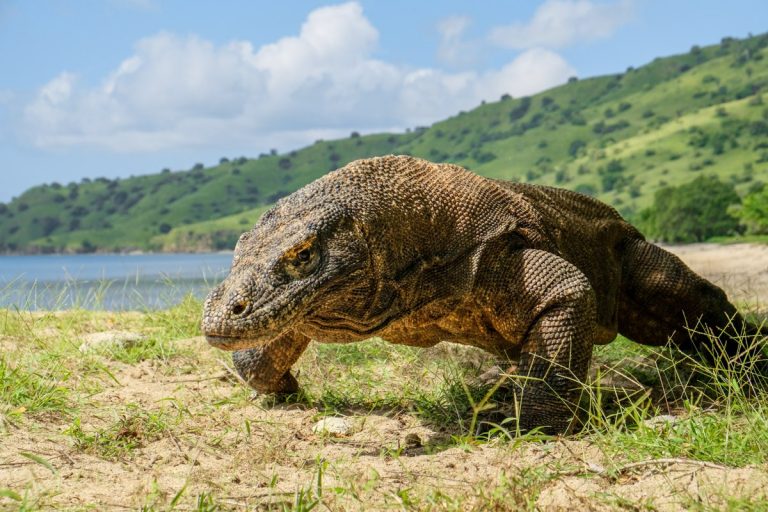
The Role of Rangers
Rangers play a vital role in ensuring the safety of visitors in Komodo habitats. They are equipped with Y-shaped wooden sticks designed to handle potential Komodo attacks. These sticks are used to press down on the Komodo’s neck if it approaches humans aggressively.
The neck of a Komodo dragon is a sensitive area, and the touch of the Y-shaped stick is usually enough to make them retreat without causing harm. This simple tool is an effective method for managing threats while also protecting the Komodo dragons from harm.
Komodo dragons are one of the world’s most unique species and must be protected. As visitors, it is important to respect their natural habitat by following rules, staying alert, and not disrupting their natural behavior.
Interested in visiting Komodo Island? Book our tour packages here